

There's a kind of knowing that lives in your body: a memory that doesn't come from books or stories, but from the bones of those who came before you. It's the smell of your grandmother's kitchen. The hum of a song you never learned but somehow know. The weight of survival, resilience, and love that didn't just shape your lineage: it shaped you.
For Black communities, this knowing runs deep. Our ancestors didn't just survive; they carried forward rituals, wisdom, and plant medicine that grounded them in the hardest of times. And now, in 2026, as we reclaim rest and wellness as acts of resistance, we're also reclaiming something older: the healing power of scent, ritual, and ancestral connection.
This Black History Month, we're exploring how essential oils and your wellness journal can become bridges: not just to calm your nervous system today, but to honor the generations who paved the way for your peace.
Why Scent is Sacred
Our ancestors understood something neuroscience is only now catching up to: scent isn't just sensory. It's spiritual.
When you inhale the aroma of lavender, rose, or frankincense, it doesn't just reach your nose: it activates your limbic system, the ancient part of your brain responsible for memory, emotion, and survival. This is why a particular smell can transport you back to childhood in an instant. Why the scent of a loved one's perfume can bring comfort: or grief: years later.
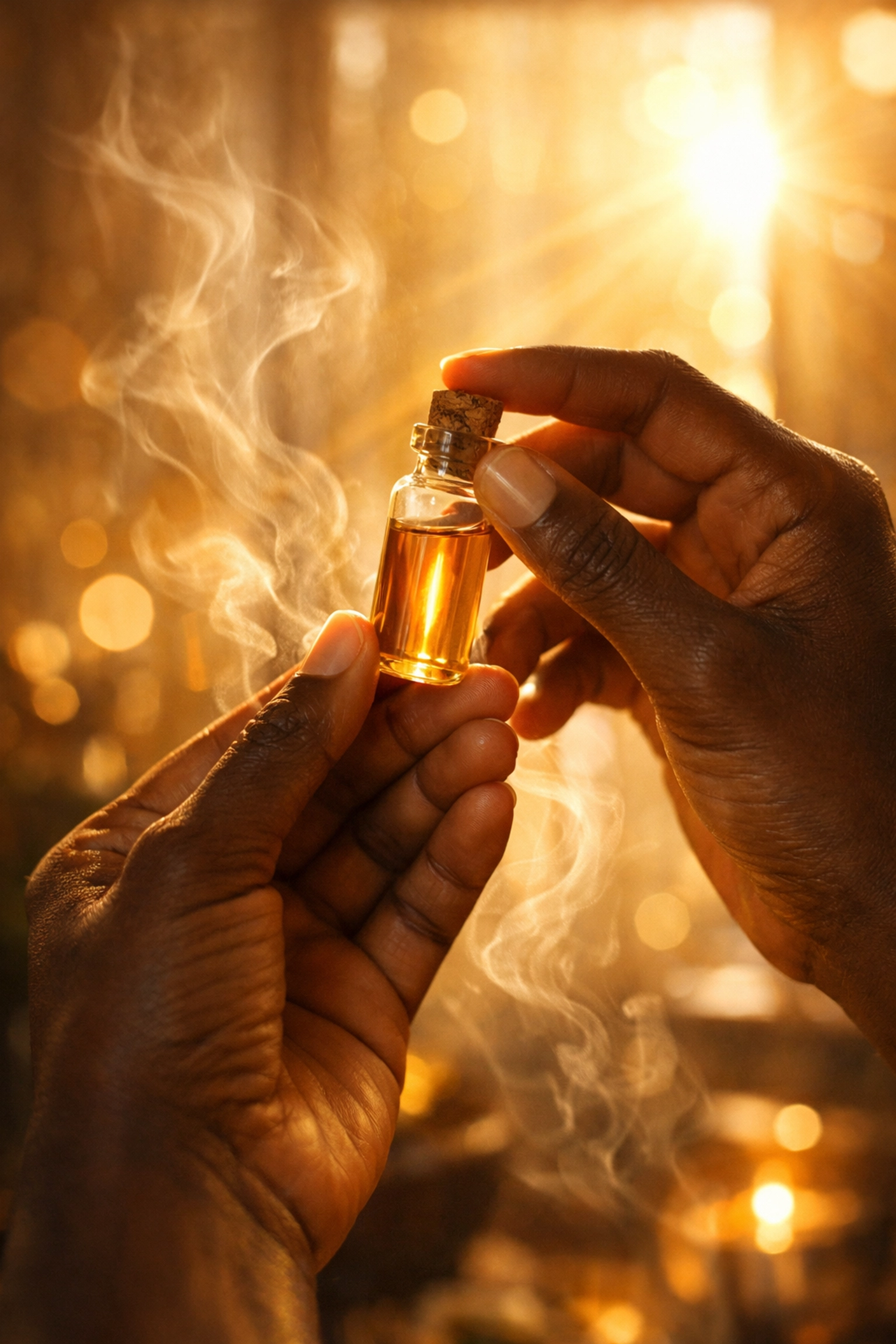
In traditional African, Caribbean, and Indigenous healing practices, plant aromatics weren't "nice to have." They were central to ritual, protection, and emotional grounding. Burning sacred herbs, anointing the body with oils, and brewing medicinal teas weren't trends: they were survival tools. They were how our people cleansed spaces, honored the dead, and called in ancestors for guidance.
Today, when you use essential oils with intention, you're not just practicing self-care. You're continuing a lineage.
The Oils of Ancestral Healing
Not all essential oils carry the same energetic weight. Some are known for their ability to open portals to memory, grief, and connection: exactly what's needed when doing the deep work of ancestral healing.
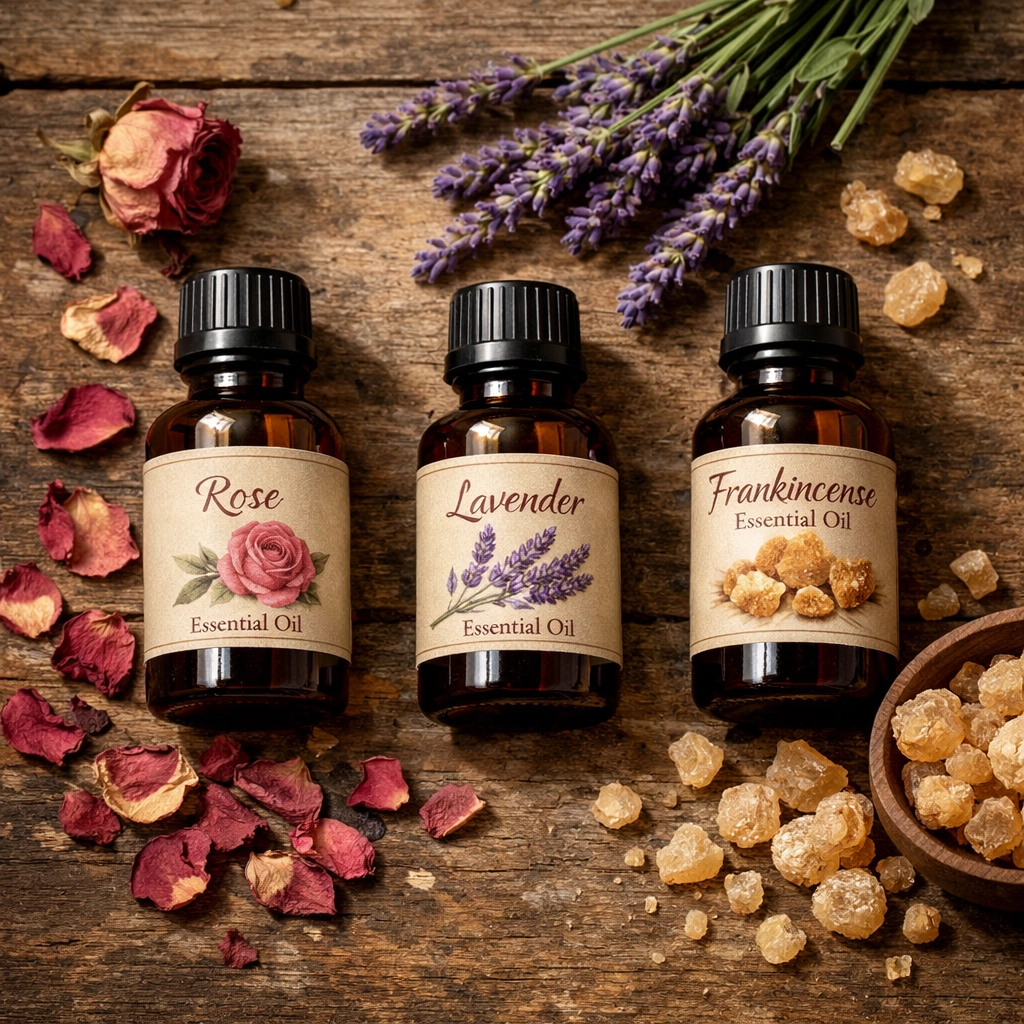
Rose: The Heart Opener
Rose is considered the queen of ancestral healing oils. Its soft, floral aroma doesn't just calm: it softens the parts of you that have been hardened by grief, anger, or inherited pain.
If you're carrying resentment toward family patterns, or processing the weight of generational trauma, rose helps you hold space for forgiveness: not as a bypass, but as a release. Add a few drops to your bath, or diffuse it while journaling. Let it remind you that your heart is allowed to soften, even while staying strong.
Lavender: The Nervous System Soother
Lavender brings balance when the body is overwhelmed. If you're processing hard truths about your lineage: stories of survival, loss, or systemic harm: your nervous system needs support.
Lavender doesn't numb the pain. It grounds you so you can feel it without breaking. Diffuse it during your mindfulness journal practice, or apply it to your pulse points before meditation. Its purple hue is tied to the third eye chakra: the seat of intuition and ancestral wisdom.
Frankincense: The Spirit Connector
Frankincense has been used for thousands of years in spiritual ceremonies across Africa and the Middle East. It's known as the oil that thins the veil between worlds, making it easier to connect with ancestors, spirit guides, and your higher self.
Use it during prayer, meditation, or when sitting with your daily reflection journal. Anoint your wrists and forehead. Breathe deeply. And ask: "What are my ancestors trying to tell me?"
Rosemary: The Memory Keeper
Rosemary is the herb of remembrance. It's believed to help unlock subconscious memories: not just from your childhood, but from your lineage and even past lives.
If you're doing genealogy work, processing family stories, or trying to understand patterns you can't quite name, rosemary can be a powerful ally. Diffuse it while you write, or brew it as tea before journaling sessions. Let it help you remember what's been forgotten: or buried.
Modern Rituals for Ancestral Connection
You don't need to be a spiritual elder or have a PhD in herbalism to honor your ancestors. You just need intention, a few drops of oil, and a willingness to listen.
Here are simple, grounding rituals you can try:
1. The Anointing Ritual (5 Minutes)
Before you sit down to journal, anoint yourself with an essential oil that calls to you. Apply it to your wrists, heart, or third eye (the space between your eyebrows). As you do, say aloud or silently:
"I honor those who came before me. I carry their strength. I release what no longer serves. I am held."
Then open your journaling for mental health practice and write whatever comes.
2. The Bath of Release (20 Minutes)
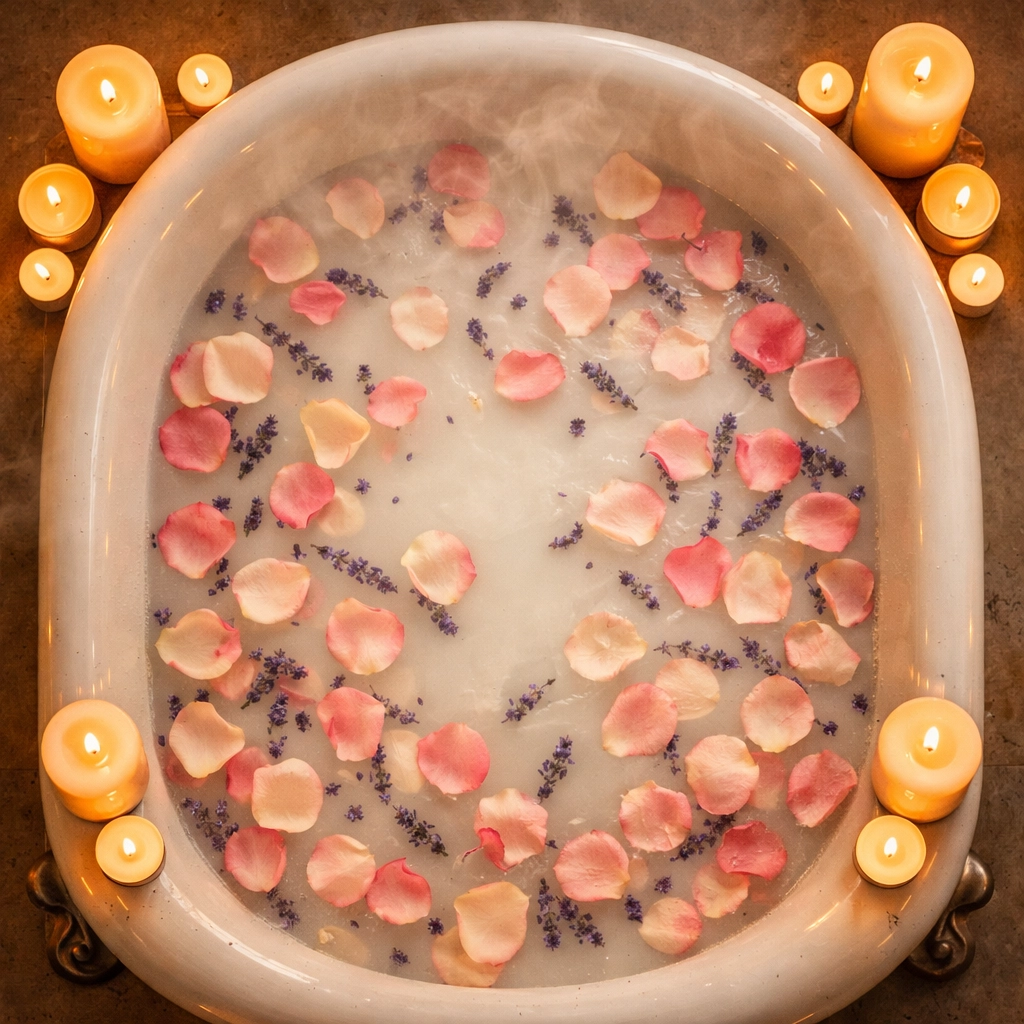
Fill your tub with warm water and add 5–7 drops of lavender and rose essential oil. Light a candle. Play soft music: or sit in silence.
As you soak, visualize the water pulling out inherited grief, shame, or fear that doesn't belong to you. Imagine it dissolving. When you're ready, drain the tub and say:
"I release what is not mine to carry."
3. The Ancestral Altar (Ongoing Practice)
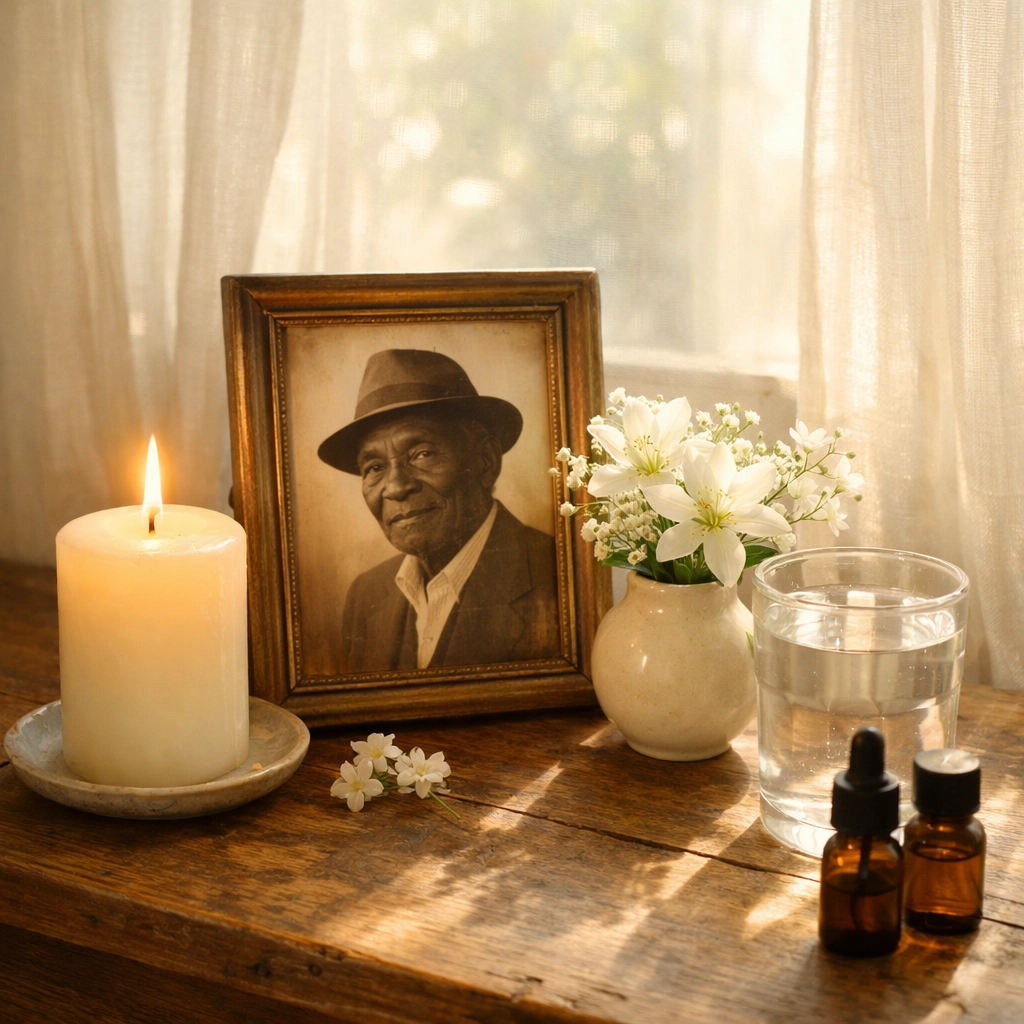
Create a small space in your home to honor your ancestors. It can be a shelf, a corner of a table, or a windowsill. Include:
- Photos of loved ones who've passed
- A candle
- Fresh flowers or plants
- A small dish of water (to quench ancestral thirst)
- Your essential oils
Visit your altar regularly. Light the candle. Anoint yourself. Speak to them. Ask for guidance. Listen.
4. The Journaling Session (10–15 Minutes)
Pair your essential oils with intentional writing. Diffuse frankincense or rosemary, then open your wellness journal and explore prompts like:
- What survival skills did my ancestors pass down to me?
- What generational patterns am I ready to break?
- If my ancestors could speak to me right now, what would they say?
- What does healing look like for my lineage?
Let the words come without judgment. This isn't about grammar or being "good" at journaling: it's about listening to what's beneath the surface.
Healing Doesn't Have a Timeline
One of the most important things to remember about ancestral healing is this: you don't have to do it all at once.
Grief is not linear. Memory is not linear. Healing is not linear.
Some days, you'll feel connected, clear, and held. Other days, the weight will feel unbearable. Both are okay. Both are part of the process.
Your mindfulness journal becomes your witness. Your oils become your anchors. And your ancestors? They're not rushing you. They've been waiting for generations. They can wait for you to move at your own pace.
You Are the Answer to Someone's Prayer
Here's something powerful to sit with: You are the manifestation of your ancestors' wildest dreams.
They prayed for freedom. You're living it: even if it's imperfect.
They prayed for safety. You're building it: one boundary, one ritual, one journal entry at a time.
They prayed for healing. You're doing it: by choosing rest, by honoring your emotions, by breaking cycles they couldn't.
When you light that candle, anoint yourself with rose oil, and write in your daily reflection journal, you're not just caring for yourself. You're healing backward and forward. You're closing wounds that have been open for generations. You're giving your future descendants a softer place to land.
The Work Continues
This is the second post in our Black History Month series, and we're just getting started. If you missed our first post on rest as resistance, go back and read it. These practices build on each other.
Because here's the truth: Self-care isn't selfish. Rest isn't lazy. And ancestral healing isn't "woo-woo."
It's survival. It's reclamation. It's revolution.
Your ancestors didn't make it this far for you to burn out in silence. They made it this far so you could rest, heal, and rise.
So tonight, light your candle. Open your oils. Write in your journal. And say thank you: to them, and to yourself.
You're doing the work. And you're not doing it alone. 🖤✨